
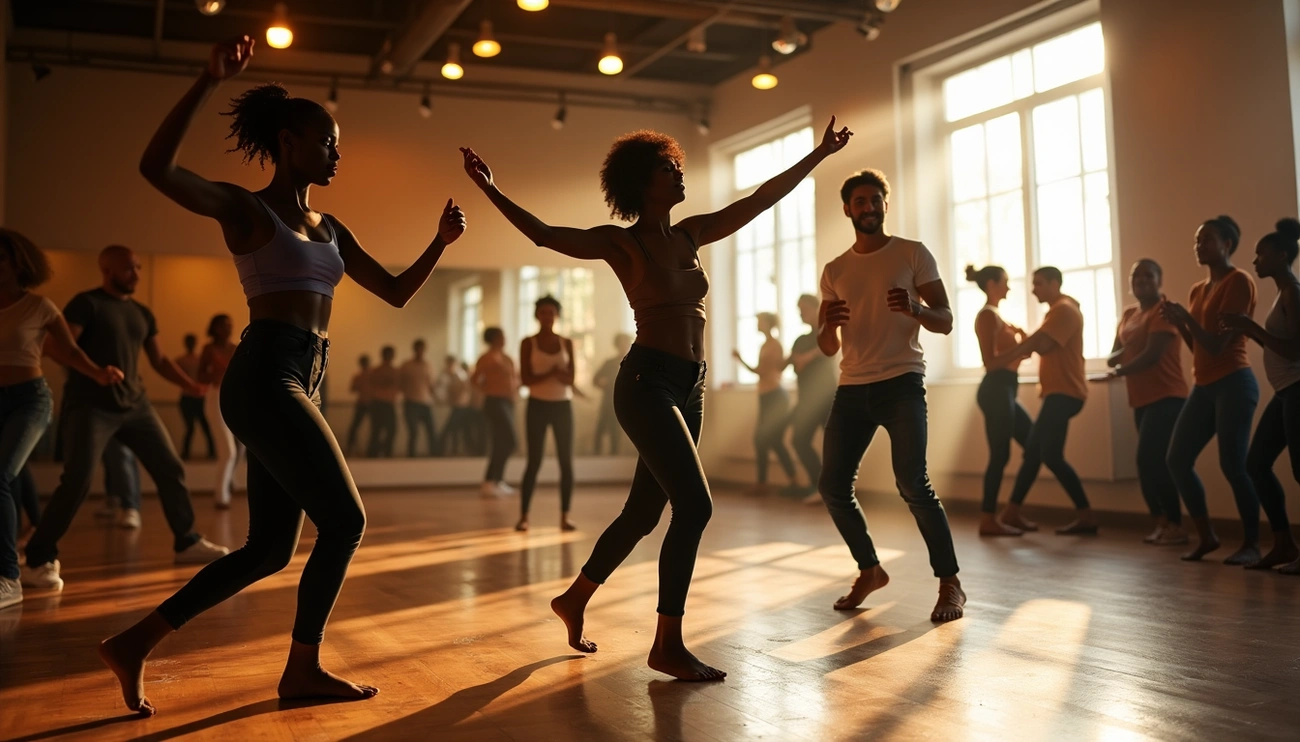
Grooving dance has left such a deep mark on our music history.
Many cultures see grooving dancing and music as one experience. They don’t even have different words to tell them apart. The sort of thing I love about groove is its exceptional rhythmic quality. It gives music momentum and makes people want to dance. This magical pattern of repeating rhythms pushes us to move. Dancers often call it “an inner feeling of movement.”
The bond between rhythm and movement has created many musical genres over time. African, European, and Creole traditions came together in New Orleans during the late 19th century. This fusion sparked the birth of jazz. Big bands in the swing era got crowds moving with catchy rhythms. The groove kept changing as the music evolved.
Musical giants like Louis Armstrong, Duke Ellington, and Miles Davis reshaped our understanding of groove.
In this piece, we’ll journey through groove’s evolution from its early days. You’ll see how different genres found their unique grooves. We’ll get into why these rhythmic foundations still move us today. The Groove Experience and similar events are a great way to return to natural, unplanned movement. They help us celebrate our deep connection to rhythm.
The roots of groove: where it all began

Musicians create an exceptional rhythmic quality called groove – a persistent, driving pattern that pulls listeners in. This musical foundation has deep historical roots that shape how we experience rhythm today.
African rhythmic traditions and early jazz
We can trace the groove’s origins to African musical traditions. Polyrhythms, two or more independent rhythms playing together, became the heartbeat of cultural expression. European music used simple monorhythmic patterns, but African music thrived on complex rhythmic interplay that created rich textures through overlapping patterns.
African music left its mark on early jazz through call-and-response patterns, syncopation, and repetition. The call-and-response technique became the lifeblood of jazz expression as leaders’ musical “calls” got “responses” from the group. African traditions of repeating musical phrases evolved into jazz’s signature riffs and ostinatos.
Jazz was born in New Orleans during the late 19th century when African rhythms mixed with European harmonies. This blend created a new musical language that emphasized improvisation while keeping the groove’s essential quality of movement.
The rise of swing and big band groove
From the late 1920s through the 1940s, the swing era changed how Americans experienced groove. In the groove” became a popular phrase to describe exceptional jazz performances. Big bands with 10-25 musicians created powerful, danceable rhythms that engaged audiences nationwide.
Fletcher Henderson’s Orchestra brought innovative arrangements featuring brass and reed sections playing off each other. Louis Armstrong joined Henderson’s band in 1924 and revolutionized the sound by emphasizing soloists. Benny Goodman’s later success with “hot” swing launched the swing era, making these infectious grooves the soundtrack for a generation.
Bebop and the change to complex rhythms
Bebop emerged in the early 1940s and redefined jazz rhythms. Charlie Parker, Dizzy Gillespie and Thelonious Monk led this radical departure from swing’s danceability.
Late-night jam sessions at Harlem’s Minton’s Playhouse gave birth to bebop.
The style featured breakneck tempos above 200 bpm, complex chord progressions, and asymmetrical phrasing. Unlike swing, bebop wasn’t meant for dancing – “musician’s music” needed close listening. This change let players explore advanced harmonies and complex rhythmic innovations that redefined the limits of jazz.
Groove across genres: how styles shaped the sound

Musical history shows how different genres created their unique approaches to groove. Each genre added distinct rhythmic fingerprints to the growing soundscape.
Blues and the emotional pulse of groove
The work songs of enslaved Africans and farm workers in the American South gave birth to the Blues. This genre wove deep emotion into its rhythmic patterns. Blues draws power from knowing how to express longing, sadness, and resilience through soulful guitar riffs and heartfelt lyrics. B.B.
King and Muddy Waters crafted slow, melodic rhythms that comforted and understood listeners during reflective moments. Blues created a groove that valued emotional expression more than technical complexity.
Funk and soul: groove as a cultural force
Groups like Parliament Funkadelic redefined groove in funk music. They used catchy electric bass lines and emphatic drum patterns to create what musicians call “a strong, distinctive groove.” The word “funk” changed from a pungent odour to an intense rhythmic feel.
One music scholar explained, “The basic idea of funk was to create as intense a groove as possible.” These genres became powerful cultural forces that expressed love, joy, and resilience, enhanced by the soul’s rich vocals and timeless melodies.
Hip hop and the rise of rhythmic flow in grooving dance
Hip hop introduced rhythmic innovations while building on funk’s foundation to create its groove style. Like jazz’s “swing,” the concept became known as “flow” in hip-hop circles. Scholars describe it as “elemental to hip hop as swing is to jazz.”
Flow is a term used to describe the rhythmic delivery style in hip-hop, where the emphasis is on the rhythm and cadence of the delivery rather than the content of the lyrics. This concept of flow has become central to artistic expression in hip-hop, showing how groove has adapted and evolved through generations while maintaining its vital connection to movement.
Flow emphasised the delivery style more than the lyrics, making rhythmic delivery central to artistic expression. This progress showed how groove adapted through generations while keeping its vital connection to movement.
Why groove still moves us today

Today, grooving dance is the heartbeat of music, the irresistible rhythm that compels us to move. The joy fills dance floors and private listening sessions worldwide, bringing pleasure and entertainment to all who experience it.
Groove in global music scenes
Funk music shows how groove exceeds borders. James Brown and George Clinton started this infectious rhythmic style in 1960s America, and it quickly spread worldwide. Cultural exchange transformed funk as it travelled. Brazilian artists combined samba rhythms with funk bass lines.
Nigerian musicians added intricate horn arrangements and complex polyrhythms to Afrobeat, a genre that heavily relies on groove. Japanese artists mixed their traditional instruments with funk elements to create something fresh and familiar. These regional influences continue to alter and redefine the groove’s foundation, showing how groove is not only a universal language but also a constantly evolving one, shaped by the unique cultural and musical contexts it encounters.
The role of groove in modern pop and electronic music
Pop and electronic production now uses groove-centred techniques from hip-hop and EDM. Modern tracks feature what producers call the “MPC swing”, a unique rhythm first noticed in the Akai MPC 60 sampler from 1988.
Dance music producers use sidechain compression to create “groovy swings” that emphasise the second and fourth beats, which makes listeners move. This technical approach explains how specific technologies create particular rhythms. Groove comes from these technologies’ significance rather than just performance-based timing.
As research shows, groove-directed genres may have started in the African diaspora, but they now speak a universal language that connects cultures. Dance exceeds borders, removes barriers, and brings people together. Studies show people move more when music matches their taste or sounds familiar.
A study of Ghanaian and American listeners found they shared similar pleasurable urges to move despite their cultural differences. Projects like “Groove in G” showcase this universal connection. It started with Malian musicians and grew into a global jam session with performers worldwide. These shared groove experiences remind us of our common humanity and connection to rhythm.
The Groove Experience: a modern return to intuitive movement
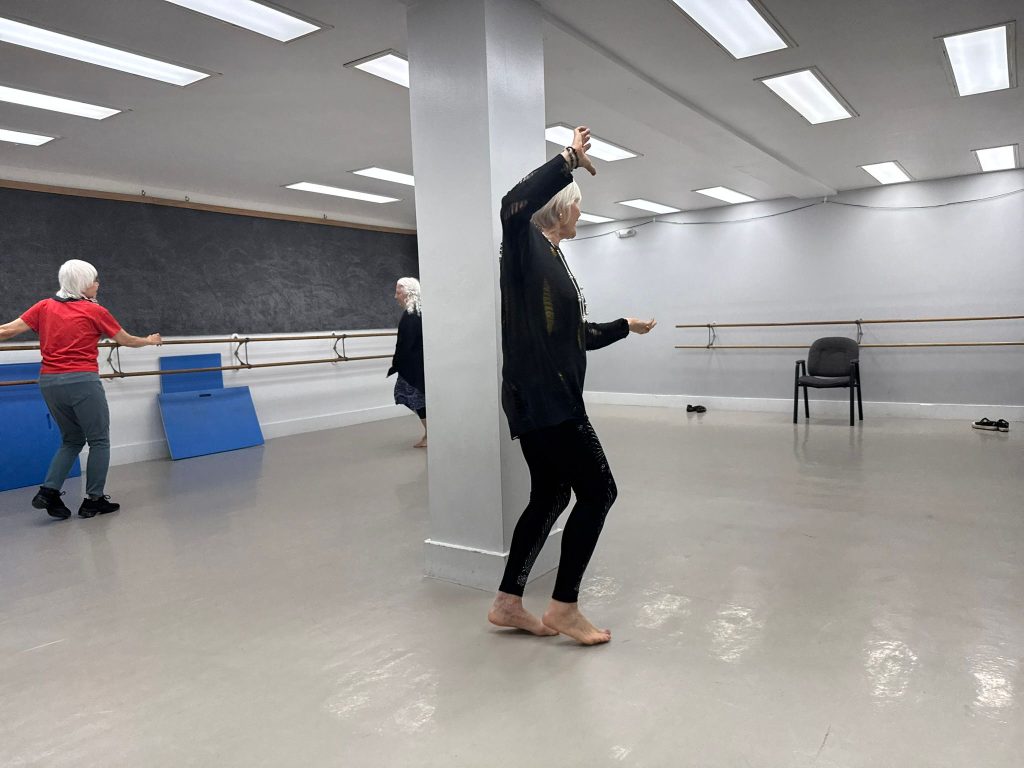
The Groove Experience brings a fresh perspective to our perfection-obsessed world by helping people reconnect with their natural rhythmic instincts through user-friendly movement.
No choreography, just feel-good movement
Groove takes a different path from regular dance classes. You won’t need to memorise complex steps or routines. “This makes Groove truly accessible to all,” notes one instructor, who points out that sessions show “the shapes, feelings, and directions of a move and leave room for investigation and discovery.” Everyone can naturally move their way – there’s no right or wrong, just your unique style.
Warm-up to stillness: the session flow
The Grooving dance session follows a well-planned path that nurtures your body and mind together. People start with gentle yawns and joint movements to warm up. The energy builds up naturally as rhythm-based movements lead to more expressive dancing.
Participants try different movement styles, from heavy stomping to gentle swaying. The session ends peacefully with stillness and breathing exercises, giving participants a complete movement experience that balances energy with calm.
Why grooving dance moves are for everyone
People of all body types, skills, and experience levels will feel at home in The Grooving dance Experience. One facilitator says, “In Groove, there’s no right or left, no trying to copy an instructor.” It makes it perfect for people nervous about regular dance classes. The experience adapts to each person, whether you’re a senior who prefers seated moves or someone looking for high-energy options.
Conclusion
Rhythm has been our universal language throughout human history, a primal force beyond borders and generations. Yes, groove remains the magical thread connecting our earliest musical expressions to today’s rich soundscape. The polyrhythmic traditions of Africa, the complex breakthroughs of bebop, the emotional pulse of blues, and the cultural force of funk show how groove has shaped our experience and response to music.
The Grooving dance Experience brings us back to natural movement. Unlike choreographed classes, this method celebrates our natural rhythmic instincts through available, feel-good movement that fits each person. Participants find freedom through simple suggestions instead of memorised routines.
This judgment-free space encourages physical well-being and meaningful human connection, a powerful remedy to our increasingly isolated digital lives.
Groove’s lasting importance lies in its ability to remind us of our shared humanity. Despite technical advances and genre changes, our bodies respond naturally to compelling rhythms.
